title: Music Technology & Modular Synthesis short: Music Tech & Synths author: Carston Wiebe date: Apr 09 2026
Modular Synthesis
- Synthesize audio waves from first principles
- Analog (physical synth) and digital (DAW plugins)
- Imitate almost any instrument
- Create unique sounds
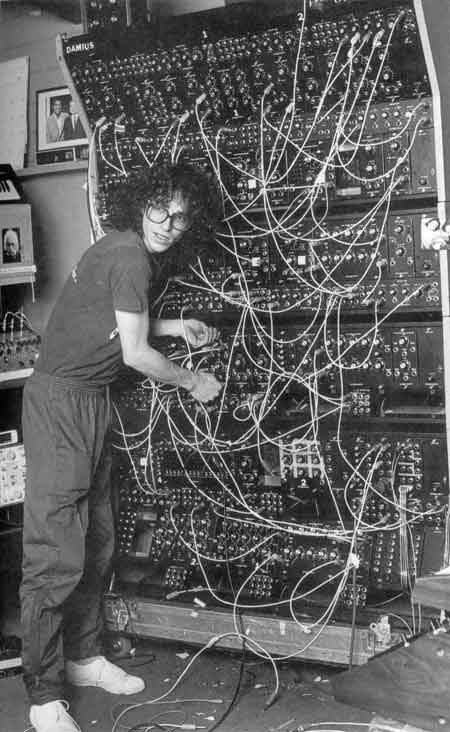
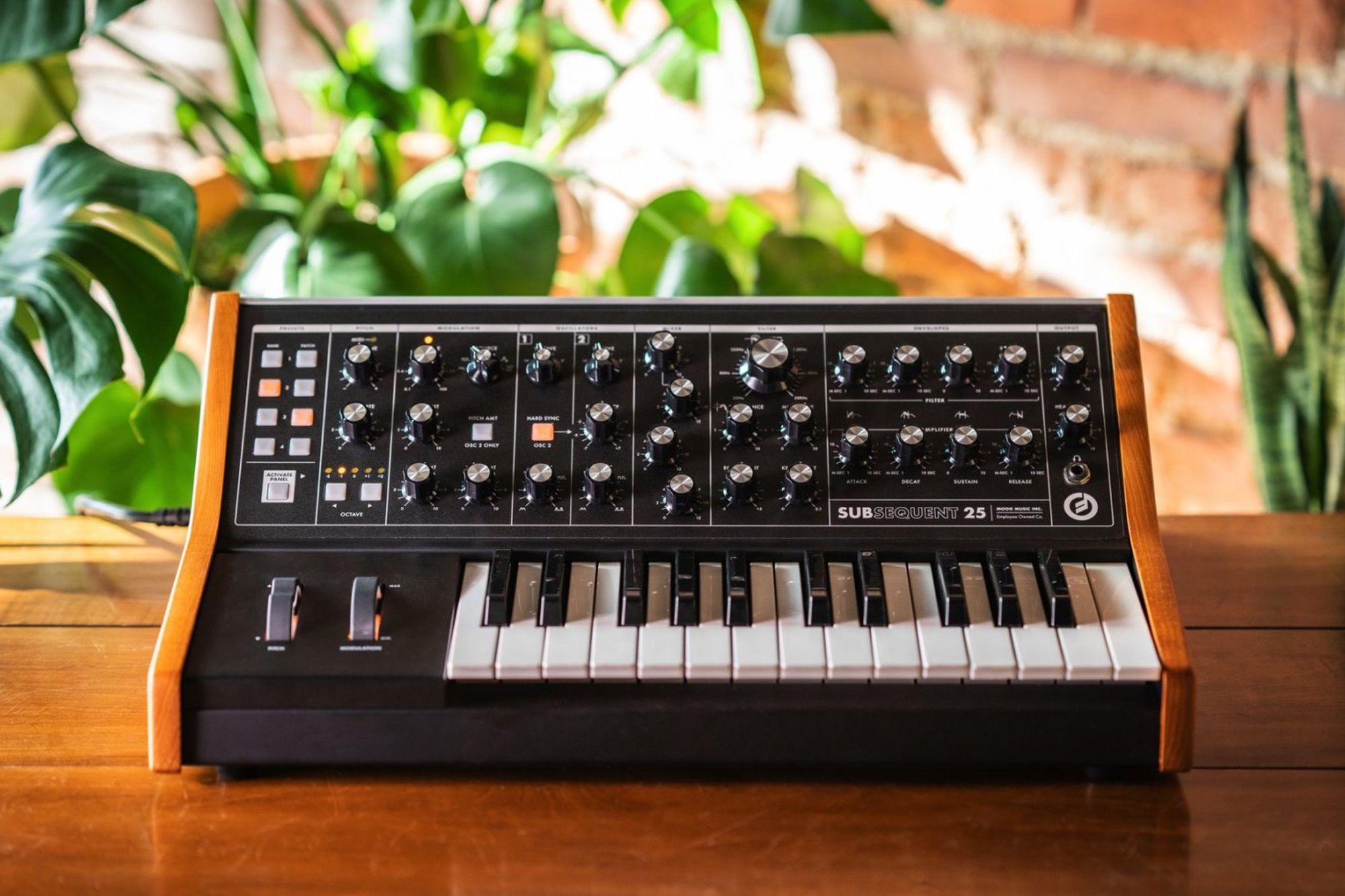
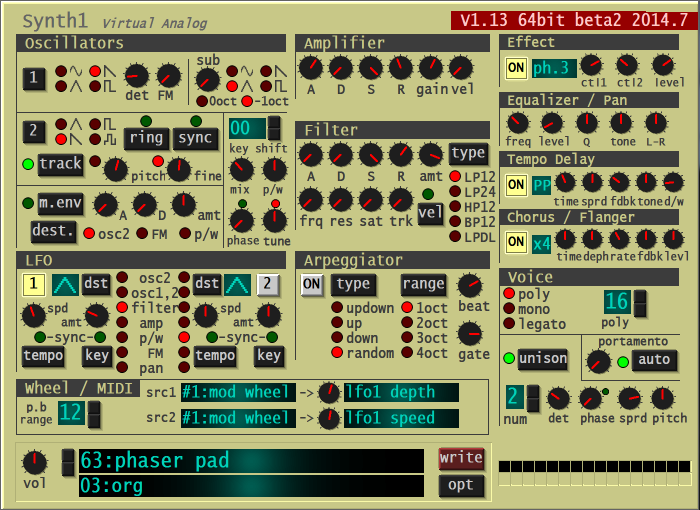
Moog Synthesizer
- Created by Robert Moog
- Work started in 1963 after meeting Herb Deutsch
- Innovated in its use of transistors instead of vacuum tubes
- $16,000 grant
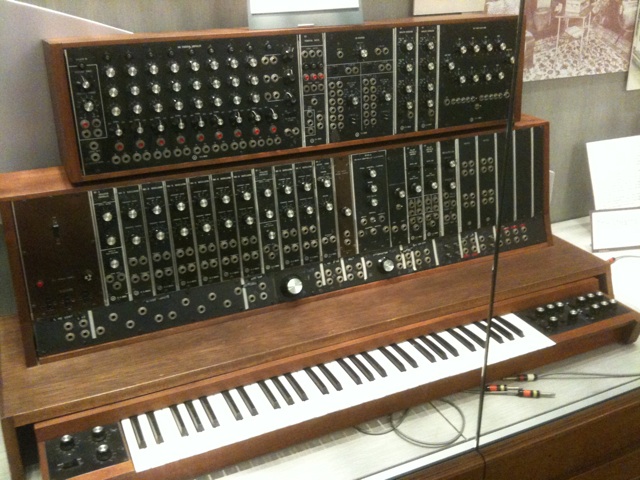
According to Moog, when Deutsch saw this, he became excited and immediately began making music with the prototype, attracting the interest of passersby: “They would stand there, they’d listen and they’d shake their heads … What is this weird shit coming out of the basement?”
- Presented at the annual Audio Engineering Society convention in 1964
- People bought his synth then and there, even though he didn’t plan to sell it
- Built to order, no instruction books or guides
Problems
- Very expensive
- Analog synths are specialized hardware
- Digital synths are subscriptions and proprietary software
- Choice overload
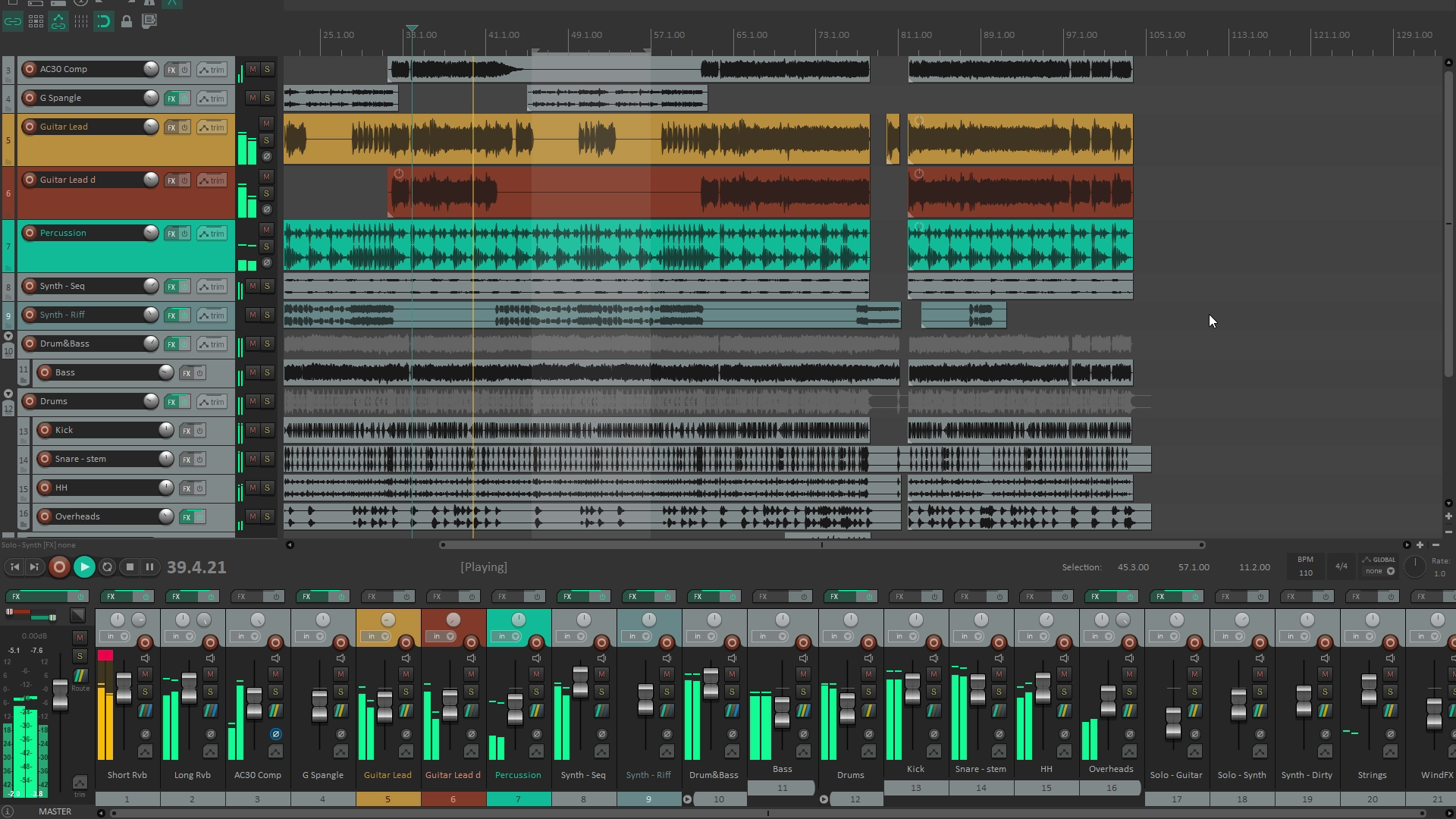
Digital Audio Workstations
- One stop shop
- Common ones are:
- Reaper
- FL Studio
- Ableton
Virtual Studio Technology
- FOSS plugin system for DAWs
- Hundreds of thousands free and paid VSTs are available
Synth Modules
- Many, many different types
- Control, modification, generation
Eurorack
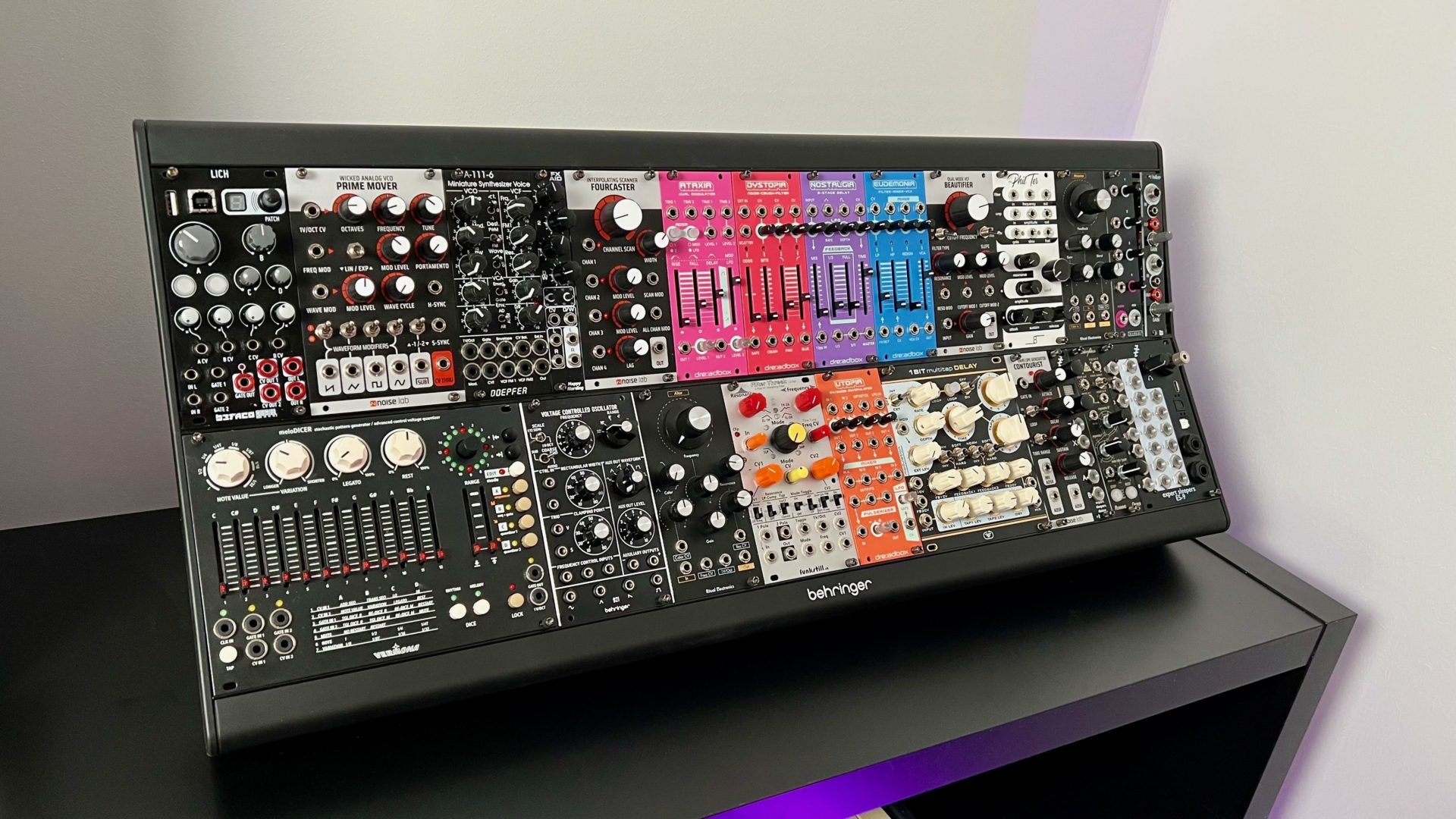
- Based on the Eurocard standard
- IEEE
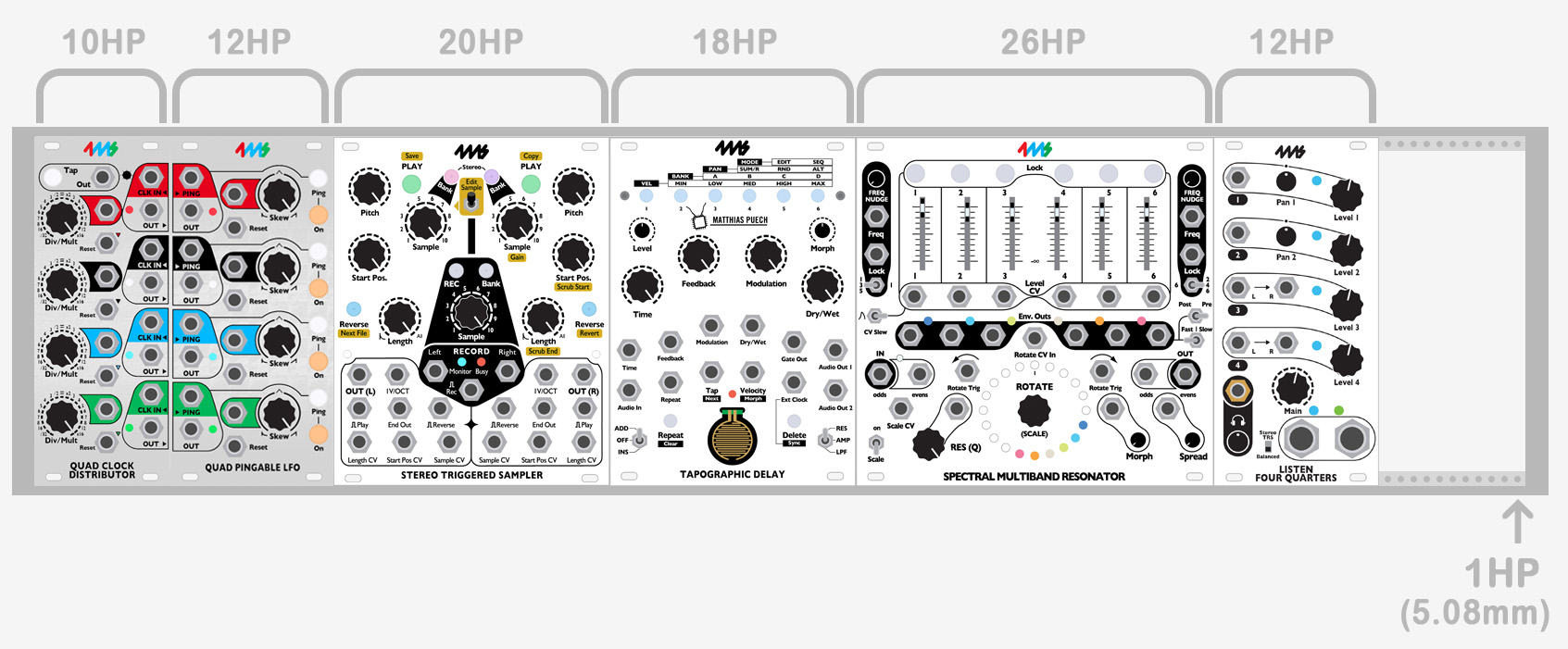
- Standard PCB sizes that can all fit into the same cases
- Uses U for height units and HP for width units
- +/-12V power
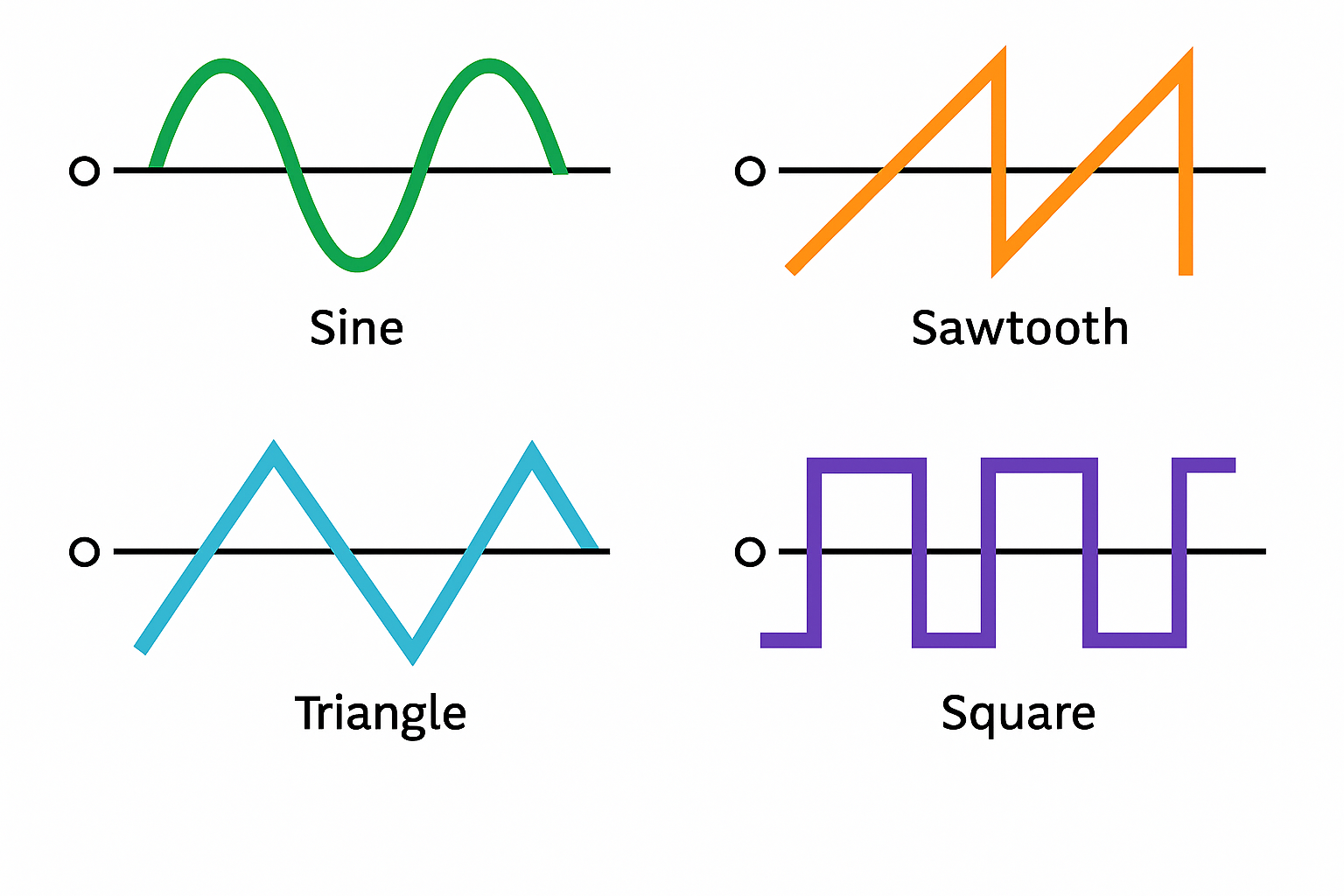
Voltage Controlled Oscillators
- Create the base waveform that your human ears can hear
- Inputs control the pitch of the sounds, not the volume
- Most oscillator modules will have multiple VCOs
Voltage Controlled Filters
- The most basic way to modify sounds
- Typically, VCOs connect directly to VCFs
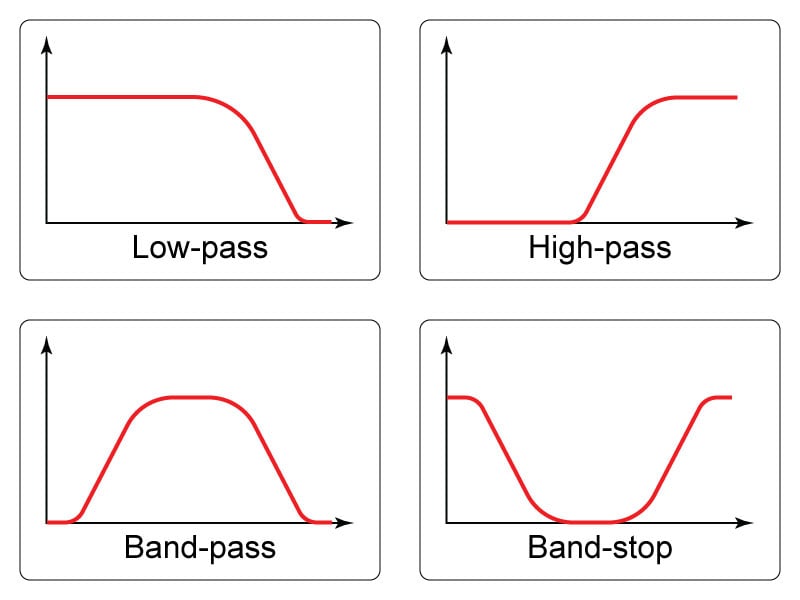
<INSERT FOURIER TRANSFORM TANGENT HERE>
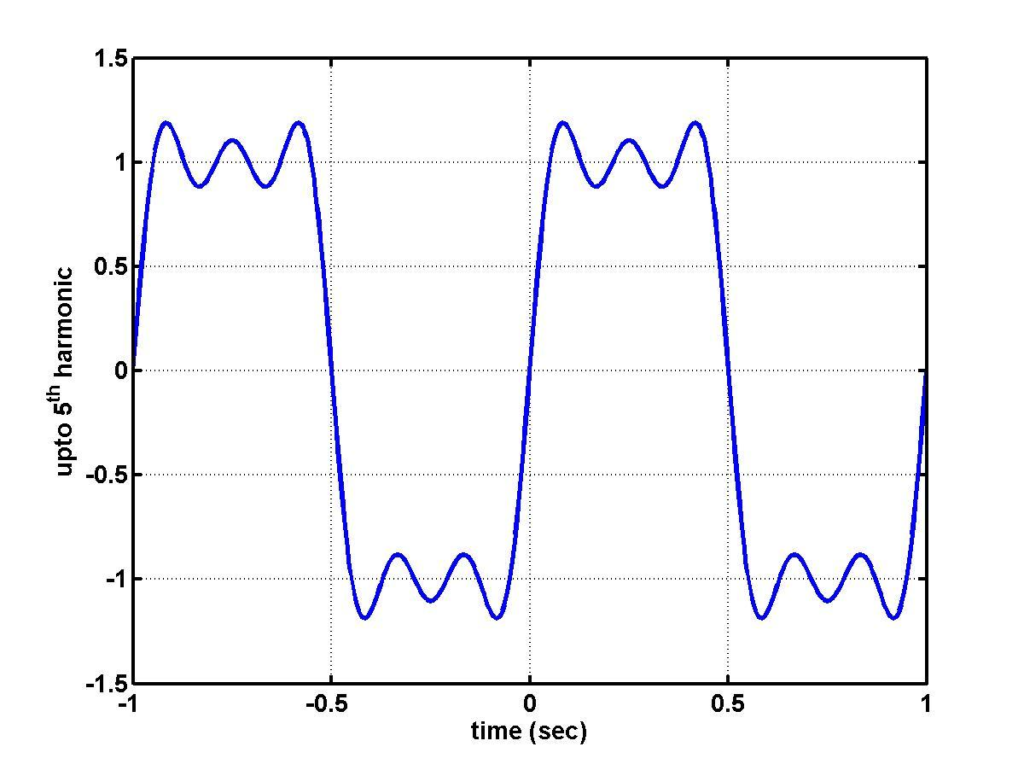
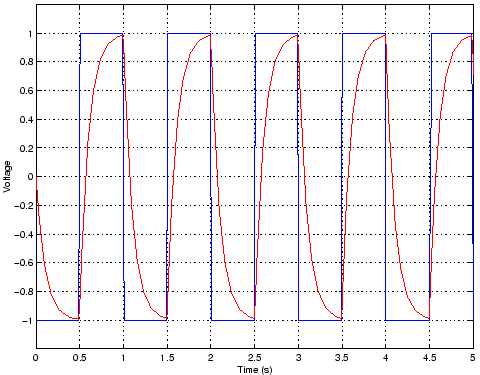
- Filtering a sine wave is useless (or, technically it is volume control!)
Voltage Controlled Amplifiers
- Actual volume control
- The only way to turn a VCO “off”
Low Frequency Oscillators
- VCOs that produce sounds below the human range of hearing
- Used as control signals for other modules
- Vibrato, tremolo
Frequency Modulation
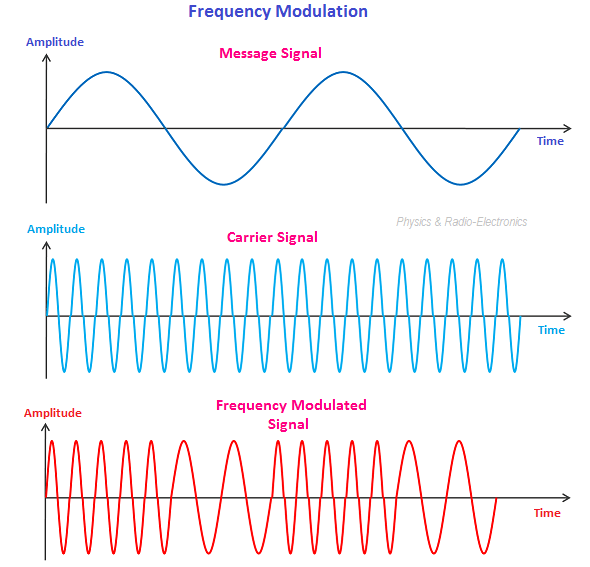
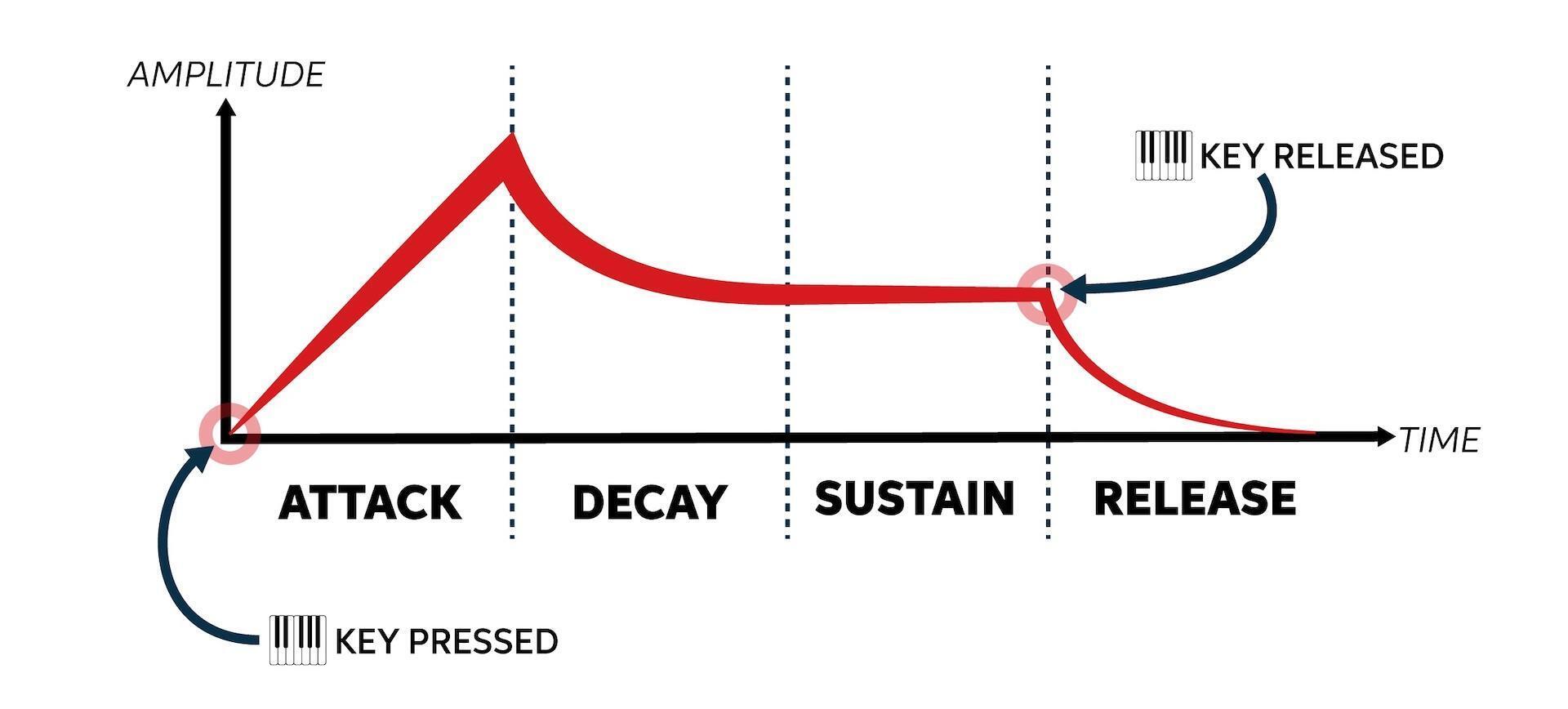
Envelope Generators
- Unlike everything else mentioned here, these only “fire off” when a key is pressed
- Four properties
- Attack
- Delay
- Sustain
- Release
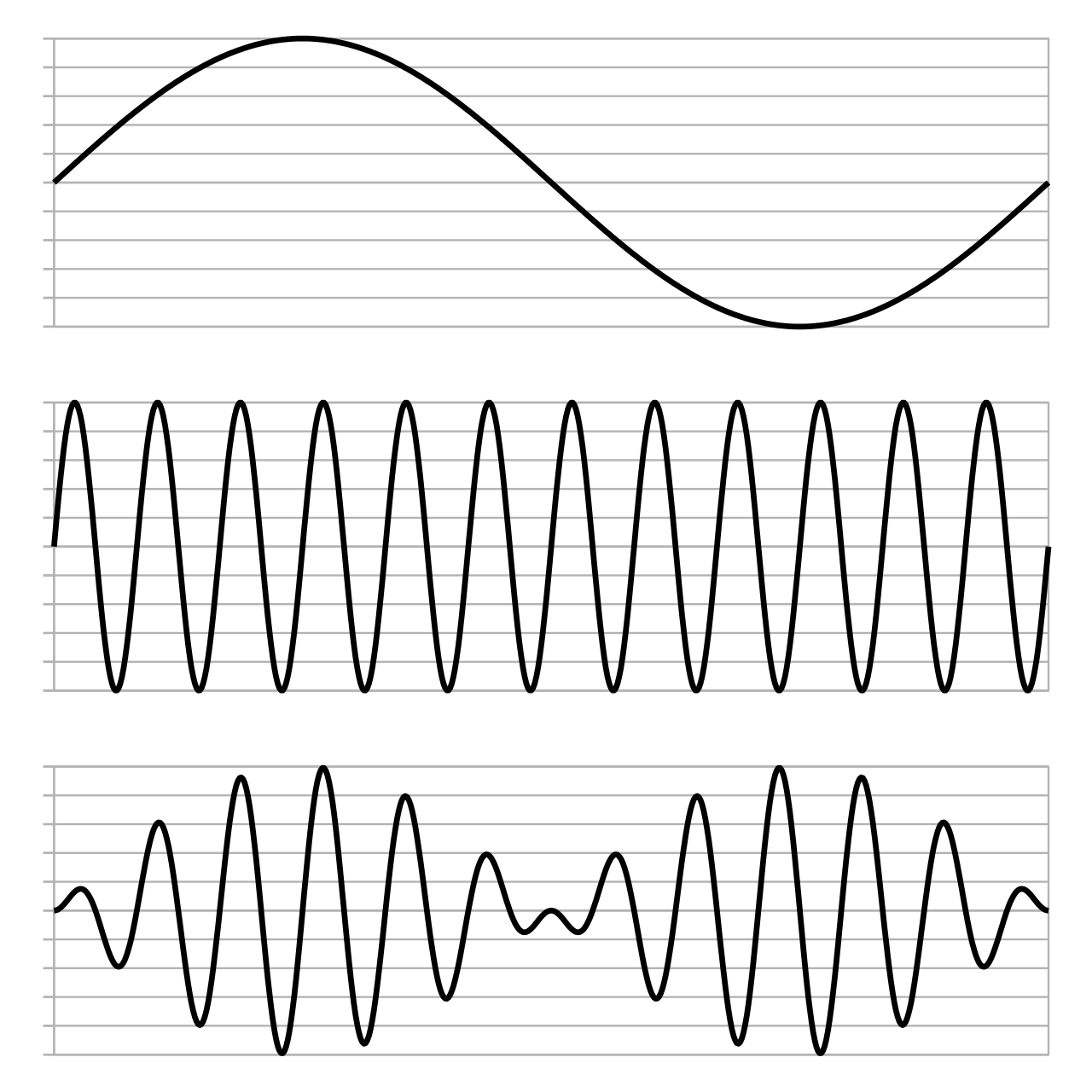
Ring Modulators
- Like FM but for the amplitude instead of the frequency
And More!
- Noise circuits create random noise (white, brown, blue, pink)
- Mixers combine multiple waves into one
- Splitters duplicate one wave into multiple
- Sequencers create repeating patterns
My Synth
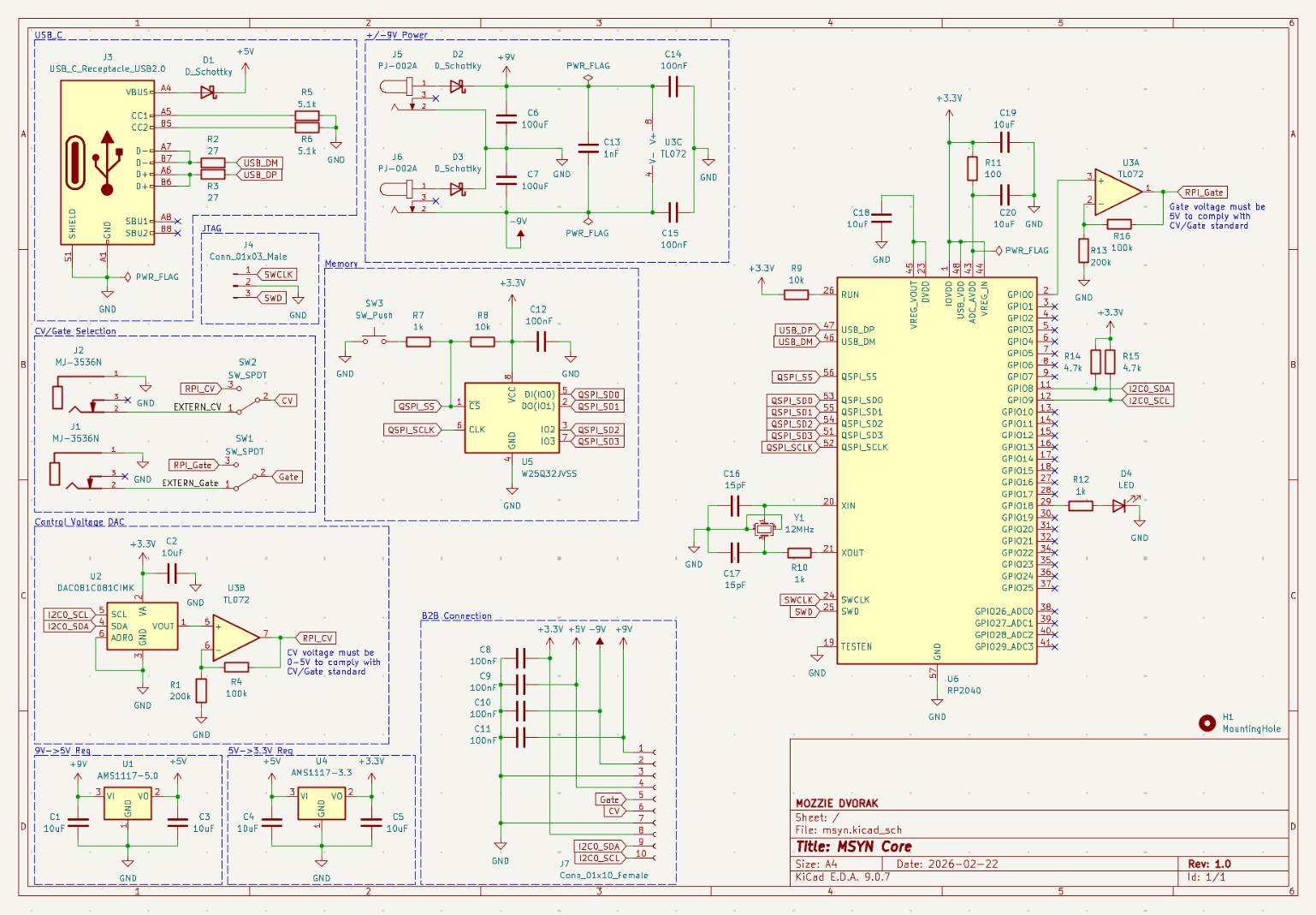
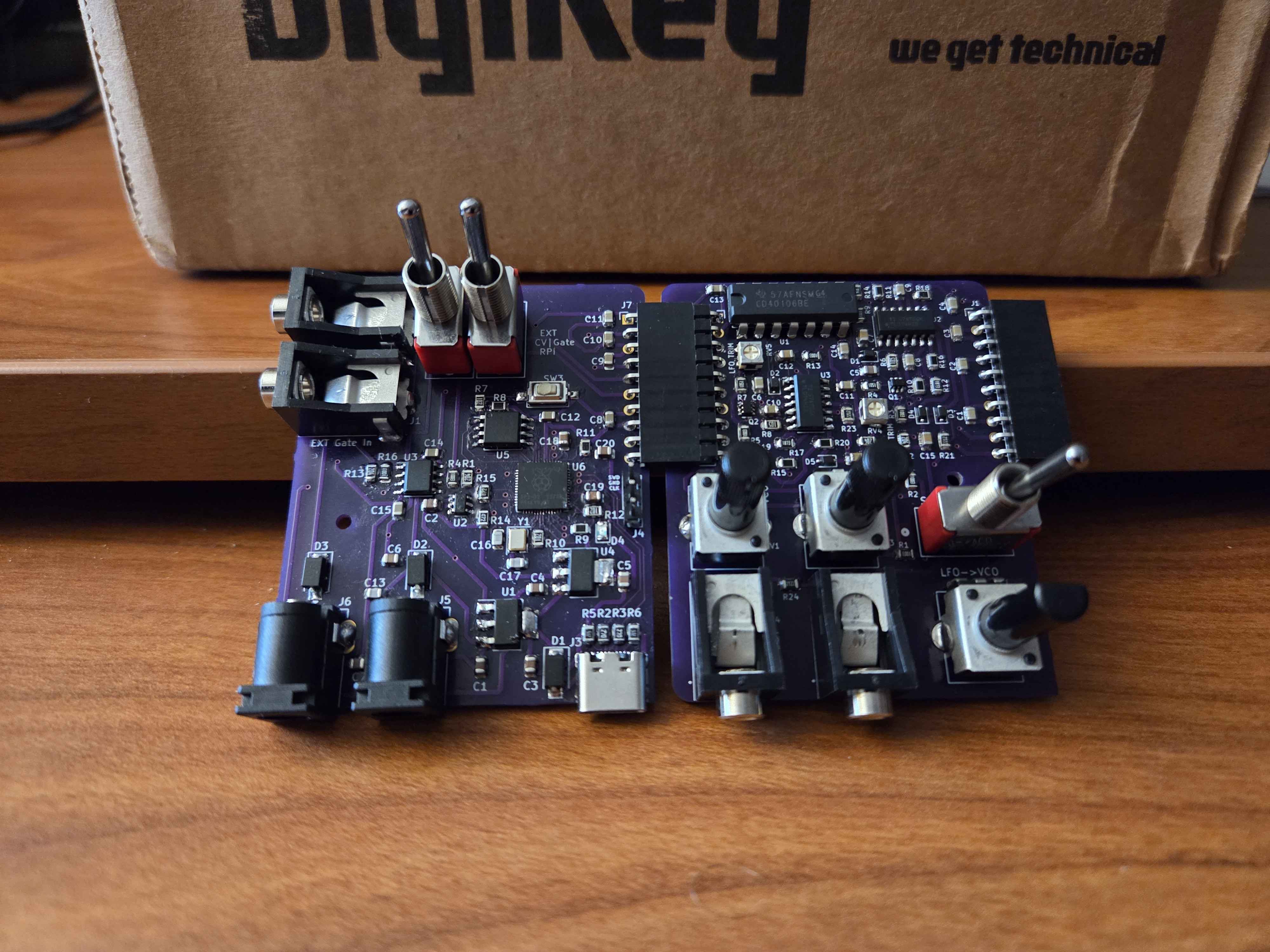
Core Module
- A Raspberry Pi Pico with extra outputs duct-taped on.
- Control Signals and Power Supply
- Creates the CV using an I2C-controlled Digital-to-Analog Converter
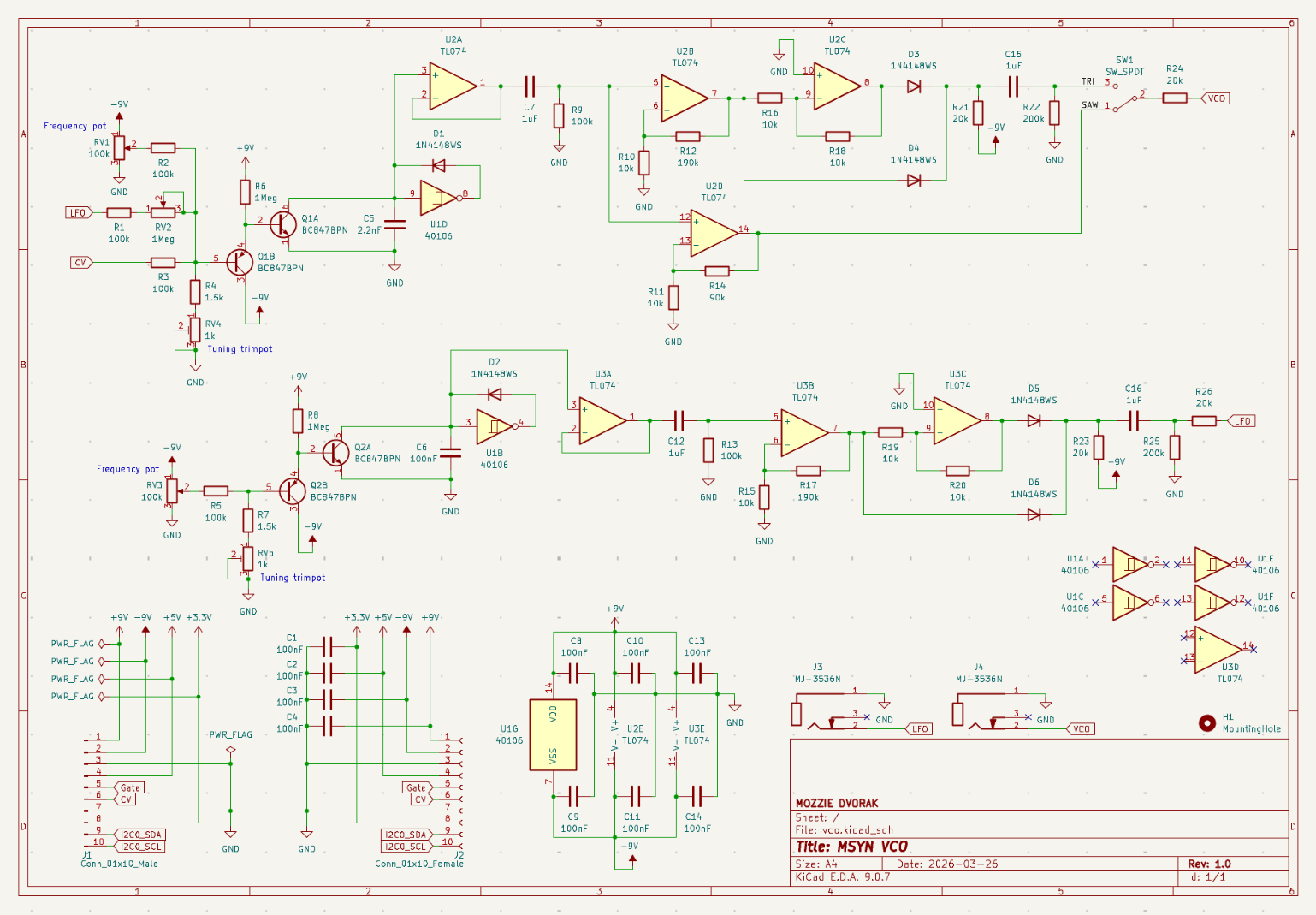
Oscillator Module
- One VCO, one LFO
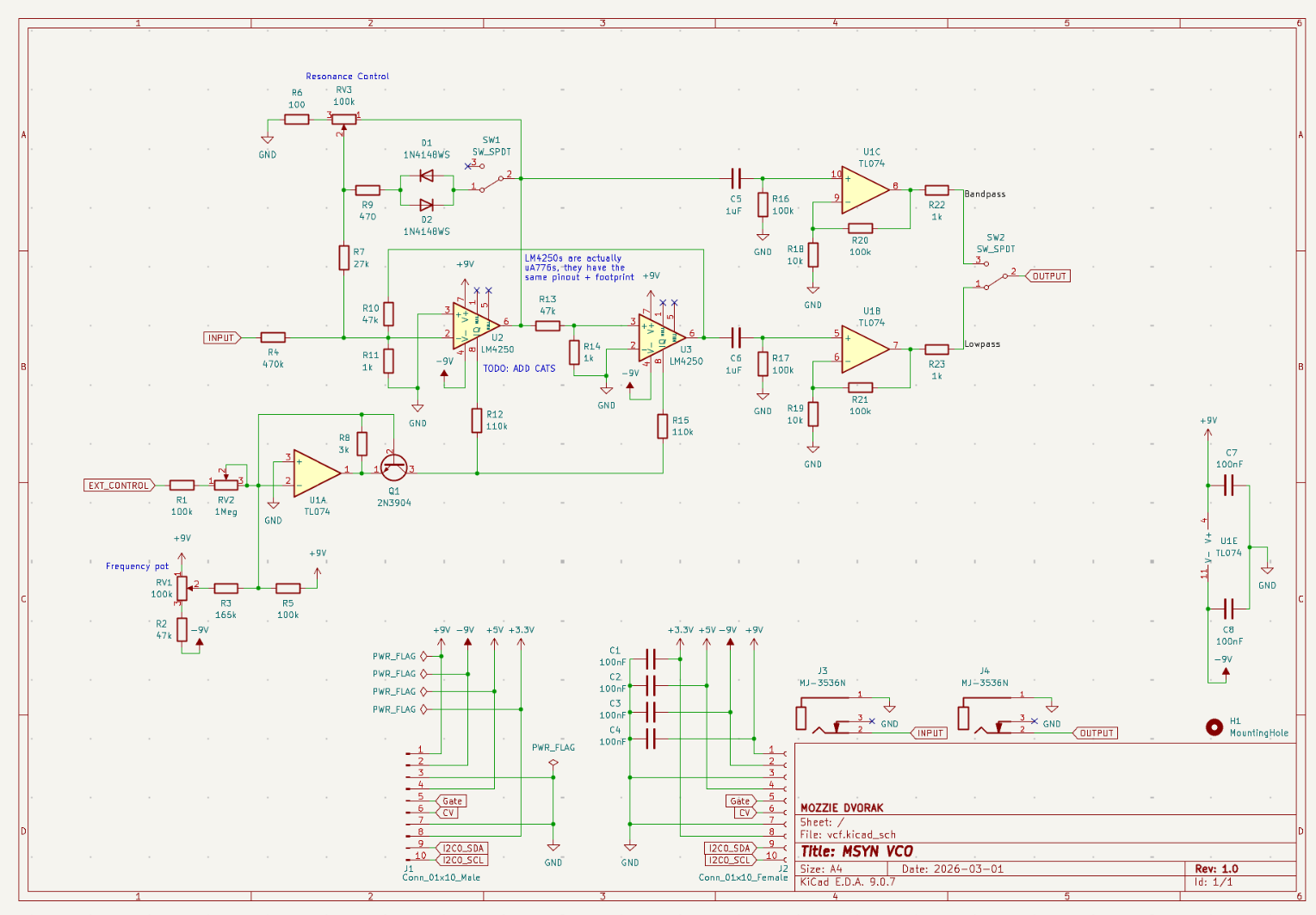
Filter Module
- Straight ripoff of the Polivoks filter
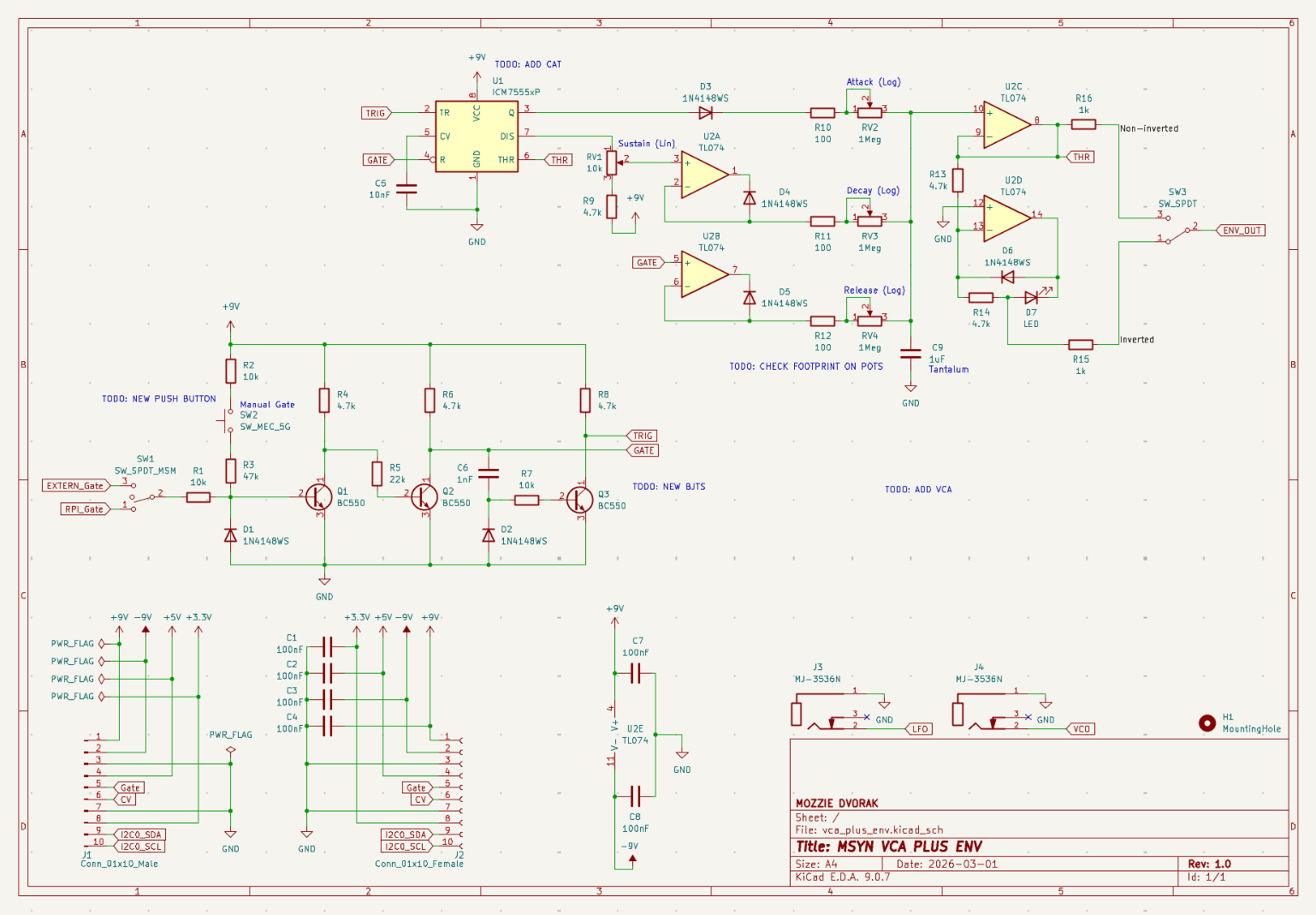
Amp Module
- VCA and ADSR ENV
Assembled!
Software
DAWs
- Reaper https://reaper.fm
- FL Studio https://image-line.com/fl-studio